
A luxury Tanzania safari is more than a comfortable bed in the bush. It is access to some of the planet’s greatest wildlife spectacles, delivered with privacy, expert guiding, and a standard of service that makes remote wilderness feel effortless. From the endless Serengeti plains to the elephant-dotted valleys of the south, Tanzania offers some of the finest high-end safari experiences in Africa. This guide explains what luxury actually means, what it costs, where to go, and how to choose well.
What Defines a Luxury Safari in Tanzania?
The word “luxury” is used loosely in travel marketing, so it helps to know what genuinely sets a high-end safari apart.
Exclusivity and privacy. Luxury camps are typically small, often with fewer than a dozen tents or suites, so you share the wilderness with very few other guests. Many sit in private concessions where fewer vehicles are allowed.
Prime locations. The best properties are positioned where the wildlife is, such as beside a migration route or overlooking a waterhole, which cuts travel time and maximizes time in the field.
Exceptional guiding. Top camps employ highly experienced guides with deep knowledge of animal behavior, birds, and ecology. A great guide is often the difference between seeing animals and understanding them.
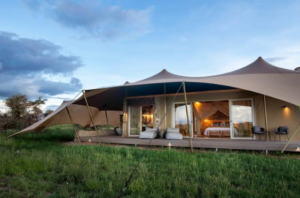
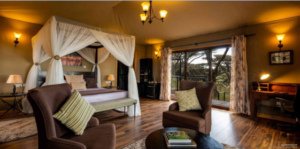
Refined comfort. Think spacious tented suites with proper beds, en-suite bathrooms, and often private decks, along with excellent food and wine, even in remote locations.
Flexibility. Private vehicles, customized schedules, and the freedom to stay with a sighting for as long as you like.
Extra experiences. Walking safaris, bush dinners, hot air ballooning, and cultural visits are often available or included.
How Much Does a Luxury Tanzania Safari Cost?
Luxury safaris are priced per person per day, and the range is wide. Broad 2026 market estimates place luxury trips from around $700 up to $1,500 per person per day. Another operator guide splits the top end into tiers of USD 700 to 1,200 for four-star luxury and USD 1,200 to 2,500 or more for five-star ultra-luxury. twowanderingsolescheetahsafaris
Here is a rough planning guide:
| Level | Approx. cost per person per day | Typical 7-day total |
| Upscale luxury | 700–1,200 | 4,900–8,400 |
| Ultra-luxury | 1,200–2,500+ | 8,400–17,500+ |
These are estimates, and prices vary by operator, camp, season, and itinerary. Treat them as a starting point and request detailed quotes.
What’s Included in the Price?
Most luxury packages are close to all-inclusive, though the details differ. Typically included:
- Accommodation in luxury lodges or camps
- All meals, plus house drinks at many camps
- Private 4×4 vehicle and expert guide
- Park and concession fees
- Game drives and often walking activities
- Airport transfers and internal flights between camps
Commonly excluded: international flights, visas, premium alcohol, tips, travel insurance, and special extras such as balloon safaris.
Because park fees are a large fixed component, always ask whether they are included and how many days they cover. At the premium parks, the extra concession fee for staying overnight inside the park currently runs about $70.80 per person per 24 hours in the Serengeti. Luxury camps inside the park build this into their rates, but check how it is shown on your quote. dumaexplorer
Where to Go: Tanzania’s Luxury Safari Regions
The Serengeti
The Serengeti is the crown jewel. It offers huge predator populations and the Great Migration, with over a million wildebeest and hundreds of thousands of zebra and gazelle moving in a continuous cycle. Luxury options include permanent lodges, and seasonal mobile camps that follow the herds.
Best for: first-time luxury visitors, migration watchers, and those wanting classic big-cat sightings.
Ngorongoro Crater
The crater’s floor is a natural amphitheater packed with wildlife, including a chance of seeing black rhino. Luxury lodges perched on the crater rim offer breathtaking views, though the crater itself is best visited early to avoid crowds. Expect a vehicle fee of roughly $295 to $300 for the descent, which is usually folded into luxury packages.
Best for: dramatic scenery and concentrated wildlife in a short visit.
Tarangire and Lake Manyara
Tarangire is known for large elephant herds and ancient baobabs, especially in the dry season. It is a good, quieter complement to the Serengeti, and luxury lodges here often offer excellent value. Lake Manyara adds scenic variety and tree-climbing lions on occasion.
Best for: elephants, birds, and quieter safari days.
Southern and Western Tanzania: Nyerere, Ruaha, and Mahale
The southern circuit offers a very different experience, with far fewer vehicles and more adventurous activities. Nyerere (formerly the Selous) allows boat safaris and walking, while Ruaha is remote and wild, with strong lion and wild dog populations. In the west, Mahale Mountains offers chimpanzee tracking on the shores of Lake Tanganyika.
Best for: repeat visitors, privacy seekers, and those wanting something beyond the northern classics.
Zanzibar: The Beach Finish
Many luxury itineraries end with a few days on Zanzibar’s beaches, pairing a safari with barefoot relaxation. This is a very popular combination, particularly for honeymooners.
The Best Time for a Luxury Safari
Timing affects both wildlife and price.
- Late June to October (dry season): the best overall game viewing, with animals gathering near water. This is peak season, so book camps early and expect the highest rates.
- January to March: calving season in the southern Serengeti, with large herds and many predators. A superb time for dramatic action.
- November and December: short rains and fewer crowds, with lush scenery and often better value.
- April and May (long rains): lowest prices, but some camps close and conditions can be challenging.
The Great Migration moves through the year, so decide which phase you want to see, whether river crossings or calving, before choosing your camps.
Signature Luxury Experiences
Luxury trips often include special experiences that make the journey memorable:
- Hot air balloon safari: a sunrise flight over the Serengeti, followed by a champagne bush breakfast. Expect to pay around USD 550 to 600 per person. cheetahsafaris
- Walking safaris: guided by experienced rangers, available in selected areas and offering a different perspective on the bush.
- Private bush dinners: a table set under the stars, with lanterns and a personal chef.
- Private vehicles and flexible timing: often the most valuable luxury of all.
- Fly-in safaris: small aircraft hop between camps, saving hours of driving and giving spectacular aerial views.
- Cultural encounters: visits with Maasai communities and other local groups, when arranged respectfully.
- Photography-focused trips: specialist vehicles and guides for serious photographers.
Mobile Camps vs. Permanent Lodges
This is a key decision for a luxury traveler.
Permanent lodges offer reliable comfort, more facilities such as pools and spas, and consistent service. They suit travelers who want a strong sense of luxury and a fixed base.
Mobile or seasonal camps move to follow the migration. They are smaller, more intimate, and often more authentic, with a “classic safari” feel. Luxury is delivered with a lighter touch, though facilities remain high-quality.
Many travelers combine both within one trip.
How to Choose the Right Operator
Because luxury trips involve large sums, choose carefully:
- Check registration and licensing with the relevant tourism authorities.
- Read recent, independent reviews and ask for references.
- Ask who owns or leases the camps and how rooms are guaranteed.
- Request a detailed itinerary with named camps, not “or similar.”
- Review the cancellation and refund terms in writing.
- Discuss guide selection. Some operators let you request specific guides.
- Confirm insurance and emergency arrangements, including medical evacuation.
- Be wary of unusual payment requests, such as large cash transfers to personal accounts.
Planning Tips for a Smooth Trip
- Book early, often 9 to 12 months ahead for peak dates, because the best small camps sell out.
- Allow enough time. Seven to ten days gives time to enjoy more than one region without rushing.
- Limit camp changes. Two to three nights per camp reduces transit and increases wildlife time.
- Pack light. Fly-in safaris usually have strict soft-bag luggage limits.
- Prepare health requirements. Speak to a doctor about vaccinations and malaria prevention well ahead of travel.
- Budget for tips. The usual guideline is USD 10 to 20 per person per day for the guide, plus gratuities for camp staff. cheetahsafaris
- Check visa rules for your nationality before booking.
Conclusion
A luxury Tanzania safari combines world-class wildlife with exceptional comfort, privacy, and service. Costs are significant, typically from several hundred to well over a thousand dollars per person per day, but the experience is hard to match, from sunrise game drives to quiet evenings under the stars. The best trips come from choosing the right regions for the season, selecting small, well-located camps, and working with a reputable operator who is transparent about what is included. Decide your priorities, whether migration action, privacy, or a beach finish, and build the itinerary around them.
Prices, fees, and conditions change, and published figures vary between sources. Confirm current rates and inclusions with your operator before you book.
Key Takeaways
- Luxury Tanzania safaris typically cost $700 to $2,500+ per person per day, depending on the camp tier and season.
- Small, exclusive camps in prime locations are what separate luxury from standard safaris.
- The Serengeti, Ngorongoro, Tarangire, and the southern parks each offer a different luxury experience.
- Late June to October offers the best game viewing at the highest prices; January to March is superb for calving.
- Signature extras include balloon safaris, walking safaris, private dinners, and fly-in transfers.
- Always ask exactly what is included, especially park fees, flights, and drinks.
- Book early and choose a licensed, well-reviewed operator.
Frequently Asked Questions
- How much does a luxury safari in Tanzania cost?
Most luxury safaris range from roughly $700 to $1,200 per person per day at the upscale level, and $1,200 to $2,500 or more at the ultra-luxury end. A week typically costs from about $4,900 to well over $15,000 per person. - What is the best time for a luxury Tanzania safari?
Late June to October is best for overall wildlife viewing. January to March is excellent for the calving season in the southern Serengeti. November and December offer quieter conditions and better value. - How many days do I need for a luxury safari?
Seven to ten days is ideal, allowing time for two or three regions without rushing. Shorter trips of four or five days are possible, particularly with fly-in options. - Are luxury safaris all-inclusive?
Many are close to it, covering accommodation, meals, activities, park fees, and transfers. Premium drinks, tips, flights, and special extras are often separate, so confirm in writing. - Is a luxury safari suitable for children?
It can be, but policies vary. Some camps have minimum age limits, and activities such as walking safaris or balloon flights may be restricted. Ask in advance, and consider family-friendly lodges and private vehicles. - What’s the difference between a lodge and a tented camp?
Lodges are permanent buildings, often with more facilities. Tented camps use canvas suites that are usually spacious and comfortable, with a closer feel to the bush. Mobile camps move seasonally to follow wildlife. - Is a hot air balloon safari worth it?
Many travelers consider it a highlight, with aerial views of the Serengeti at sunrise. It’s a significant extra cost, so decide based on your budget and priorities. Book ahead, since places are limited. - Can I combine a safari with a beach holiday?
Yes. Zanzibar is the most popular choice, with direct flights from several safari airstrips and a wide range of luxury beach resorts. - How far in advance should I book?
For peak season and migration-region camps, book 9 to 12 months ahead. For quieter periods, 4 to 6 months is often sufficient. - How much should I tip on a luxury safari?
A common guideline is $10 to $20 per person per day for your guide, with additional tips for camp staff, often pooled. Some camps will give guidance on their preferred approach.
I can also put this in a file, or adapt the tone, audience, or target operator if you’d like.